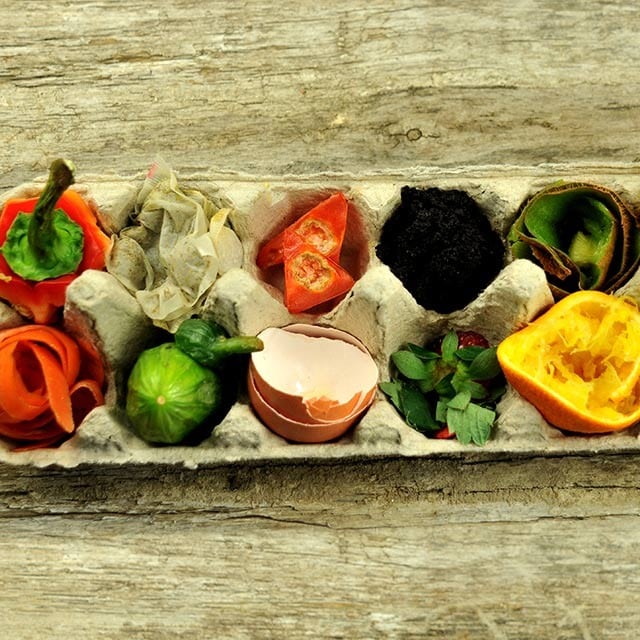
In a perfect world there would be no waste, in the preparation or on guests plates. This is not the perfect world, and there will always be a certain element of food waste. There are however creative ways of reducing waste and turning leftovers into profit.
Unilever Food Solutions’ second World Menu Report highlights the growing global concern with food waste when eating out-of-home.
To learn more about what consumers think about the issue of food wastage, click the link below to read the second Unilever Food Solutions World Menu Report:
According to research over half the food produced in the world today is lost, wasted or discarded as a result of inefficiencies in the human managed food chain. UFS understands that reducing food waste is one of the biggest challenges for the food service industry. Food has a particularly high carbon footprint and requires considerable resources to grow, process and prepare. Many only think about disposal expenses when considering food waste, however we know for a fact that there are a number of other costs to consider when estimating the overheads of waste.
The results from researching 500+ Australian consumers reinforces that this is indeed a global trend:
E-Brochures Download
Work Smart: Wise Up on Waste1. Food Waste Audit Tools Download
Briefing sheetTemplate for food waste chartInformation signs Case Studies document Signage for food wasteFood Waste data tracking sheet2. Smart Staff Poster Tools Download
Storage Poster for the Stock RoomMise en Place Production poster for the kitchenPreparation Poster for the KitchenPortioning poster for the bin areaPlate waste posters for the bin areaDisposal Poster3. Purchasing Tools Download
Purchasing List Template4. Mise En Place & Preparation to Order Download
Event Efficiency ToolMise en Place Planning SheetRecipe Card Template5. Plate Waste Download
Plate Waste MonitorAccurate Measuring - Use scales to measure out ingredients as well as portions. Your recipe should always be the basis for your selling price.
It’s not unusual for an over-service of more than 40% to occur.
Specials Board - A daily specials board can help to manage the extra throughput of ingredients. Perfect for great value seasonal items.
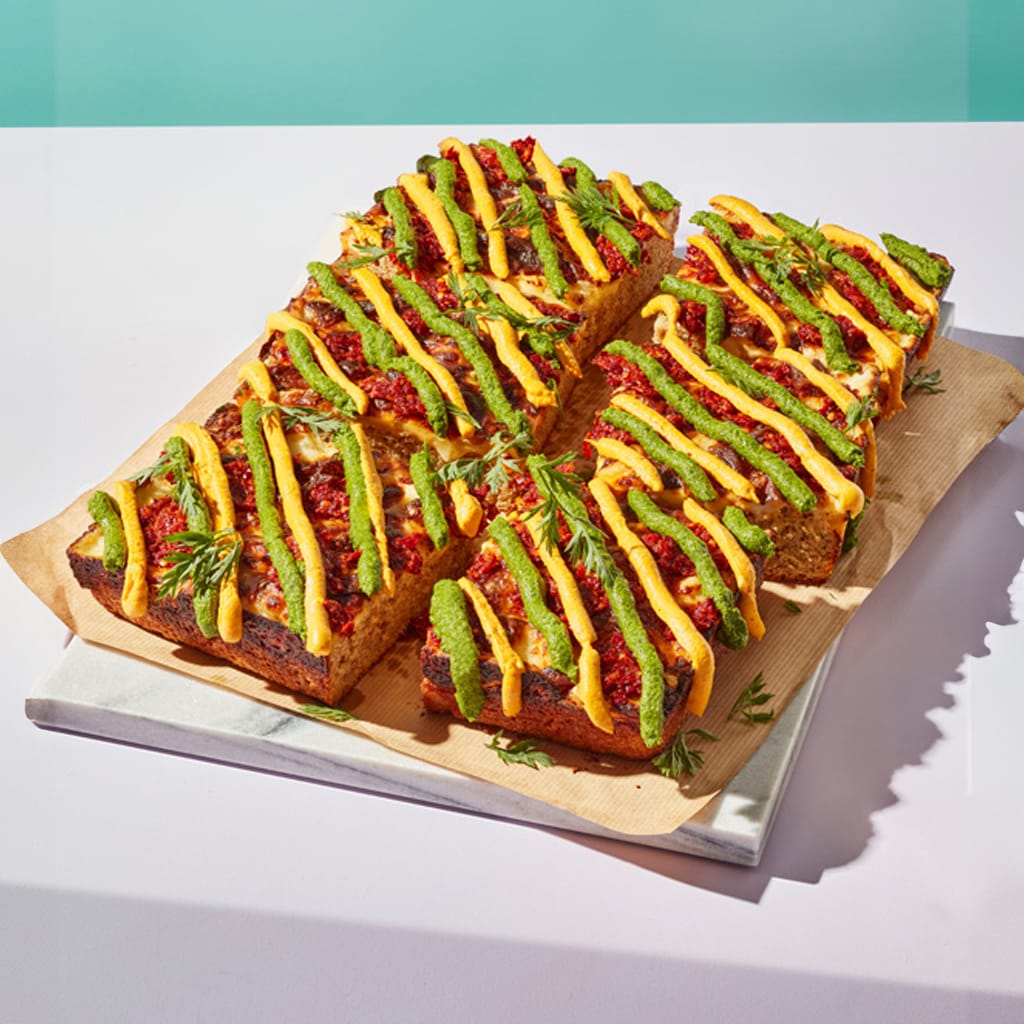
Accurate Ordering - Employ accurate ordering and stock rotation to avoid ingredients going out of date. Get Creative - Be creative with vegetable trimmings to make tasty soups. Use toast from breakfast for breadcrumbs for fishcakes, and stale brioche for bread based puddings.
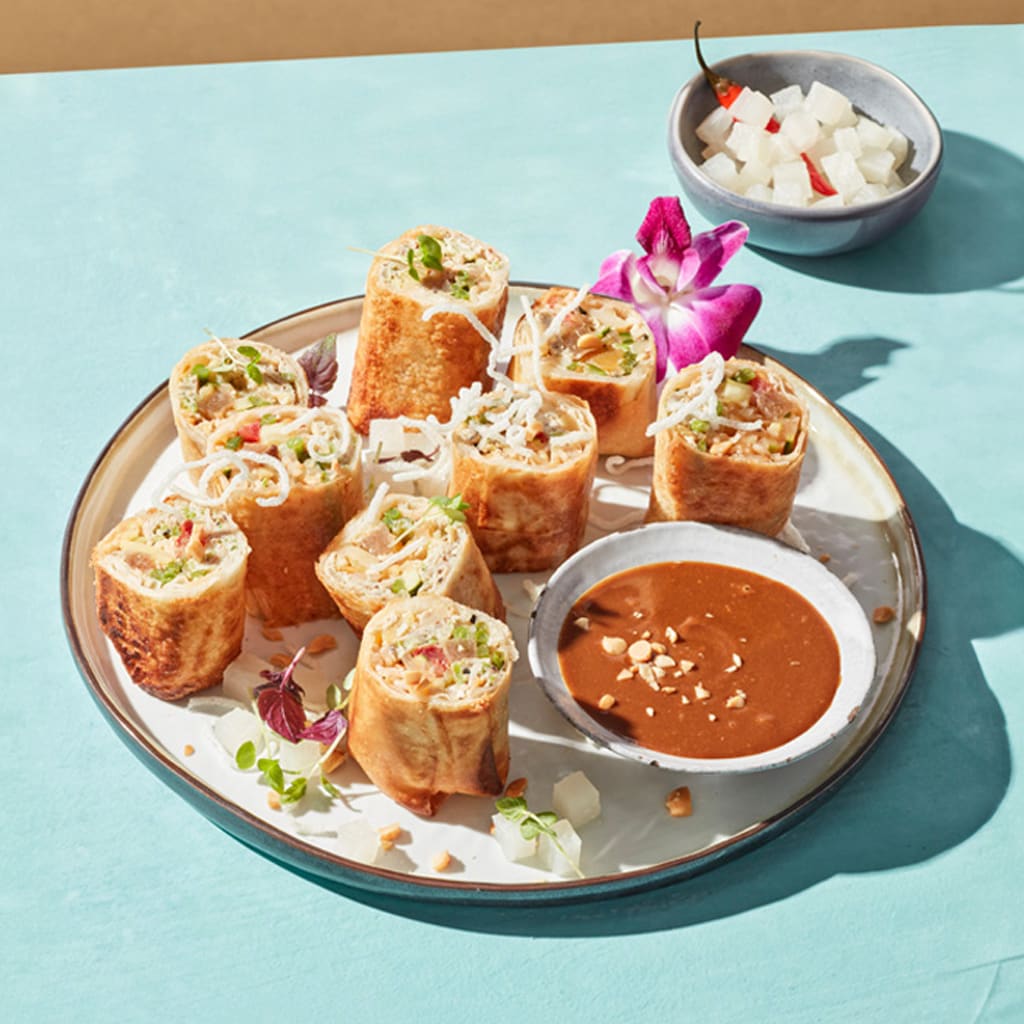
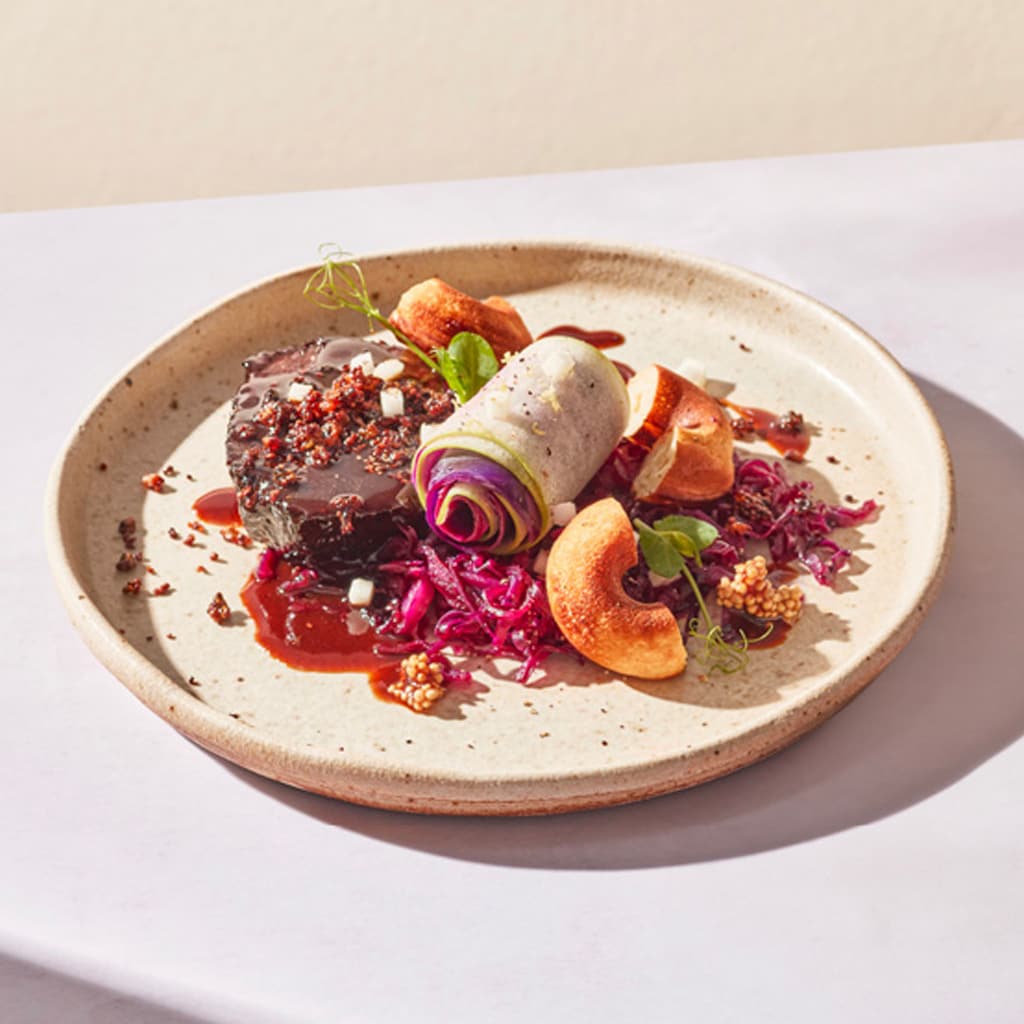
Use of off cuts to create tasty starters. eg, pork and chicken trimmings can be turned into pâtés and terrines. Turn excess produce into chutneys, pickles and jams.
Dehydrate excess fruit and vegetables to create highly flavoured powders. Dry out the fruit or vegetable in a low oven and whizz through a processor. Use the vegetable powder in sauces or and fruit powders over sorbets and ice-creams.