
Dips and toppings
A guide to personalisation
There was a time when the ultimate restaurant experience was about delivering consistency. But as digital connections allow diners to become increasingly aware and engaged in their preferences, the importance of personalisation has dramatically increased.
Future Menus Vol. 4 research found that customisable plate-building is becoming a core feature of menus and a significant driver of diner satisfaction. Dining is now less about strict rules and more about providing guests with the building blocks to a unique and memorable experience. Here, UFS Corporate Executive Chef Brandon Collins shares the tips and tricks of this evolution.
Sauces and Condiments
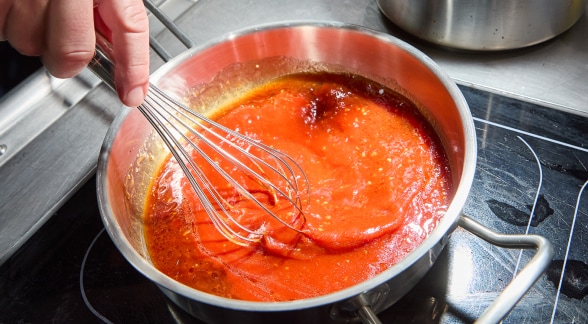
One of the easiest ways to embrace customisation is to offer a variety of sauces, dressings and vinaigrettes. People love to dip and drizzle! You don’t need new recipes—just use sauces you already have on the menu and make larger batches, like moving from one litre to four litres. This allows you to offer a personal experience without adding complexity.
Especially if the sauces are made stable, so nothing goes to waste, it can help service run more smoothly while giving guests the flavour flexibility they desire.
Toppings and Extras
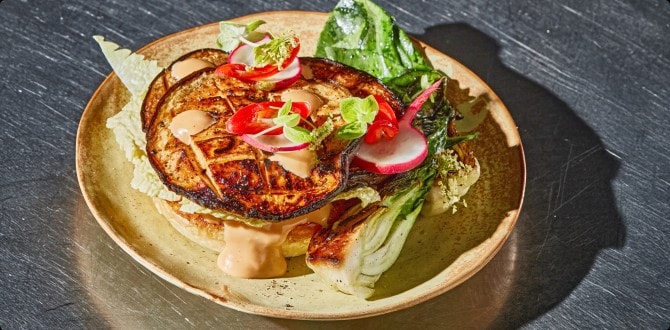
Offering toppings and additional ingredients gives diners control and accommodates preferences. We know cilantro and anchovy divide opinions, so letting people choose whether they want to include them ensures everyone enjoys the dish. The same applies to other menu items: guests can swap or combine ingredients from different dishes. But the key is to use what you already have. People are creating their own experience in their own sandbox, so the dishes will naturally vary.
For example, US chain Five Guys, now operating in Melbourne and Sydney, offers a flat-price burger with up to 15 toppings at no extra charge and has found the format well-received by Australian diners already accustomed to paying a premium for personalisation at local burger spots.
By monitoring what components are popular, you can inform future menu development and make new dishes easier for staff to execute while keeping customisation simple and appealing.
Cooking Technique
Cooking techniques are another way to let people customise. A chicken tender can be fried, roasted or griddled, all using the same equipment. For bigger proteins like short ribs, you can offer a braised version or grill them galbi-style, using the same components. It also accommodates dietary preferences—someone may avoid fried food in favour of roasting. Technique variation adds perceived choice and enhances the dining experience while keeping preparation practical and efficient for the kitchen.
From trend to table
More ways to put this trend into practice
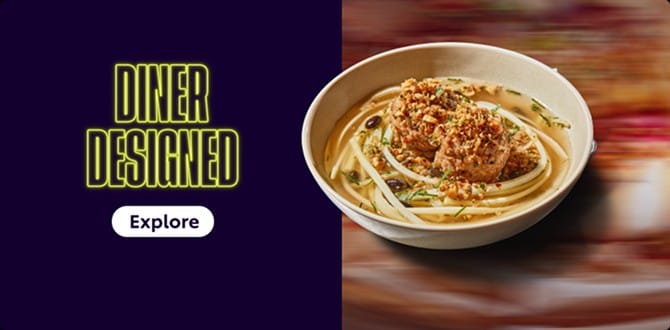
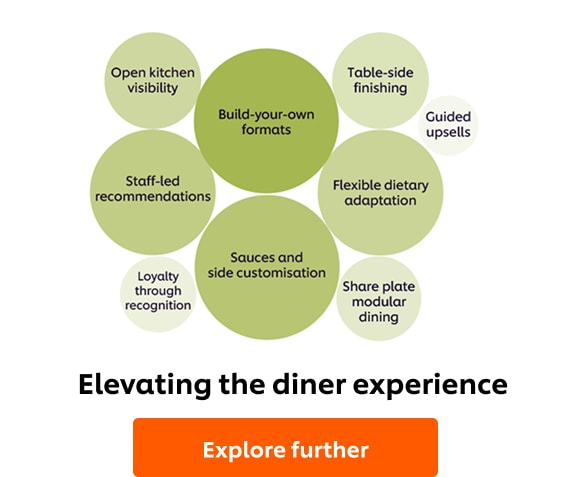
Dining is shifting from consistency to personalisation, with customisable menus giving guests the freedom to create unique and memorable experiences.
Discover Diner Designed recipes
Explore more of Future Menus Vol. 4 trends
To celebrate the launch of Future Menus Vol. 4, we have an exciting promotion for you!