Posted on Tuesday, 22ⁿᵈ April, 2025
In recent years, sport has moved beyond something we watch to become something we experience.
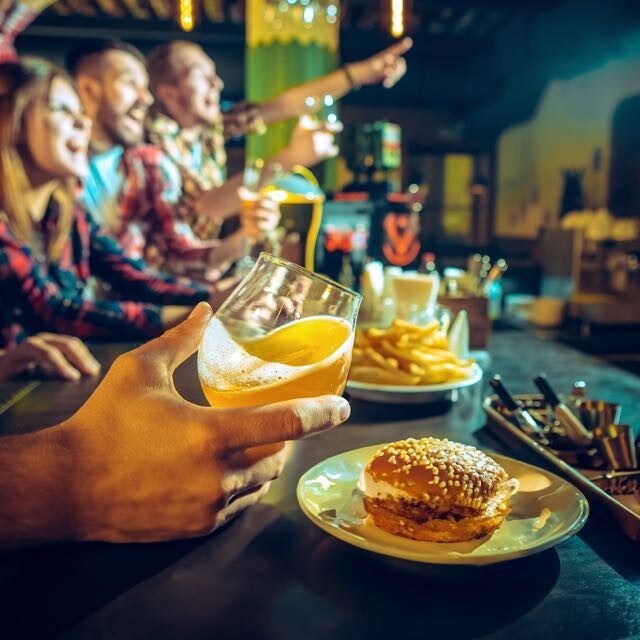
From the hospitality-led spectacle of the Australian Open tennis to the off-track transformation of the Formula 1 Australian Grand Prix, major events are now as much about food and social connection as they are about scores and standings. Add in rising attendances across our major football codes and the message is clear: fans want more from their game-day experience.
But while game-day menus are standard fare in Europe and North America, they’ve only recently begun to find traction in Australia and New Zealand with many venues still relying on their regular menu and hoping for the best.
Understandably, operators worry about labour cost, prep time, waste, margins and service speed. After all, a packed house on a Saturday night is no time for kitchen complications. That’s where a smart, focused game-day menu can improve service and strengthen your venue’s sporting credentials, without blowing out costs or workloads.
How a game-day menu helps you kick goals
Resistance to game-day menus comes from familiar concerns: an already stretched staff, tight margins, potential waste and worries around speed of service.
A well-designed game-day menu rises to these challenges. With the right dishes and shared ingredients, you can increase diner spending, speed up service and simplify operations with food that is fast, flexible and forgiving.
6 High-Impact Game-Day heroes
Dependable, scalable and easy to integrate into most pub kitchens, these six dishes can be the consistent performers your busy venue needs.
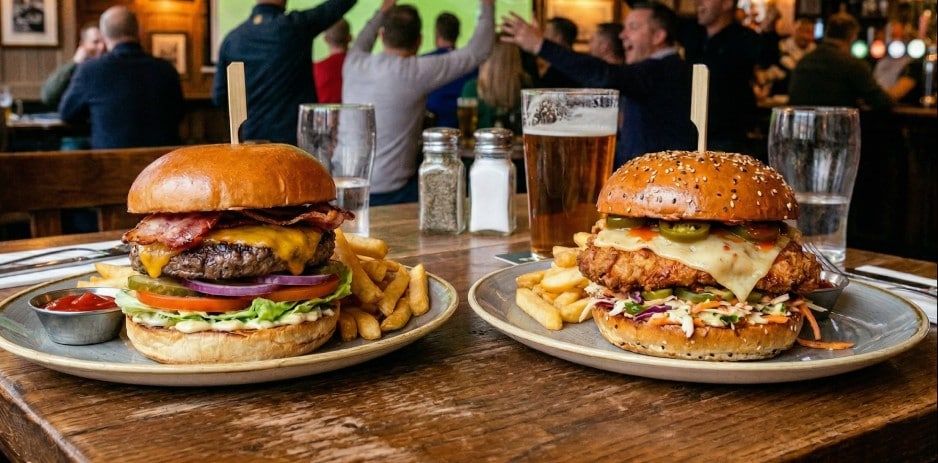
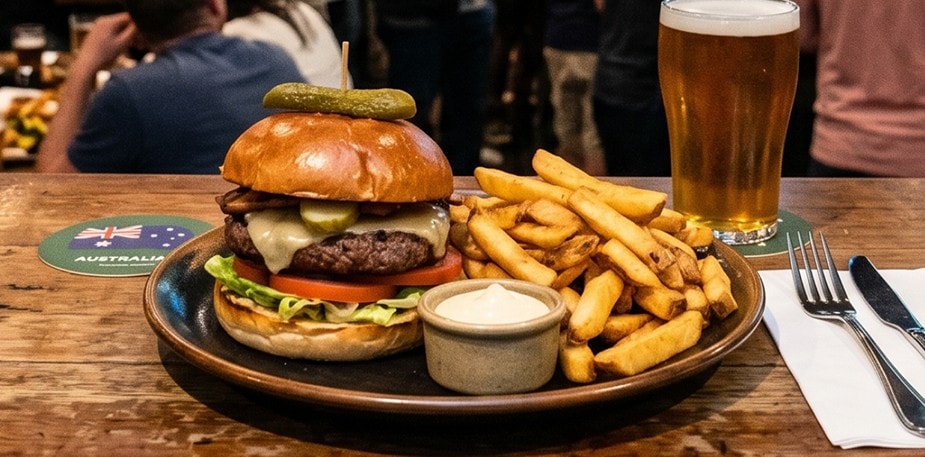
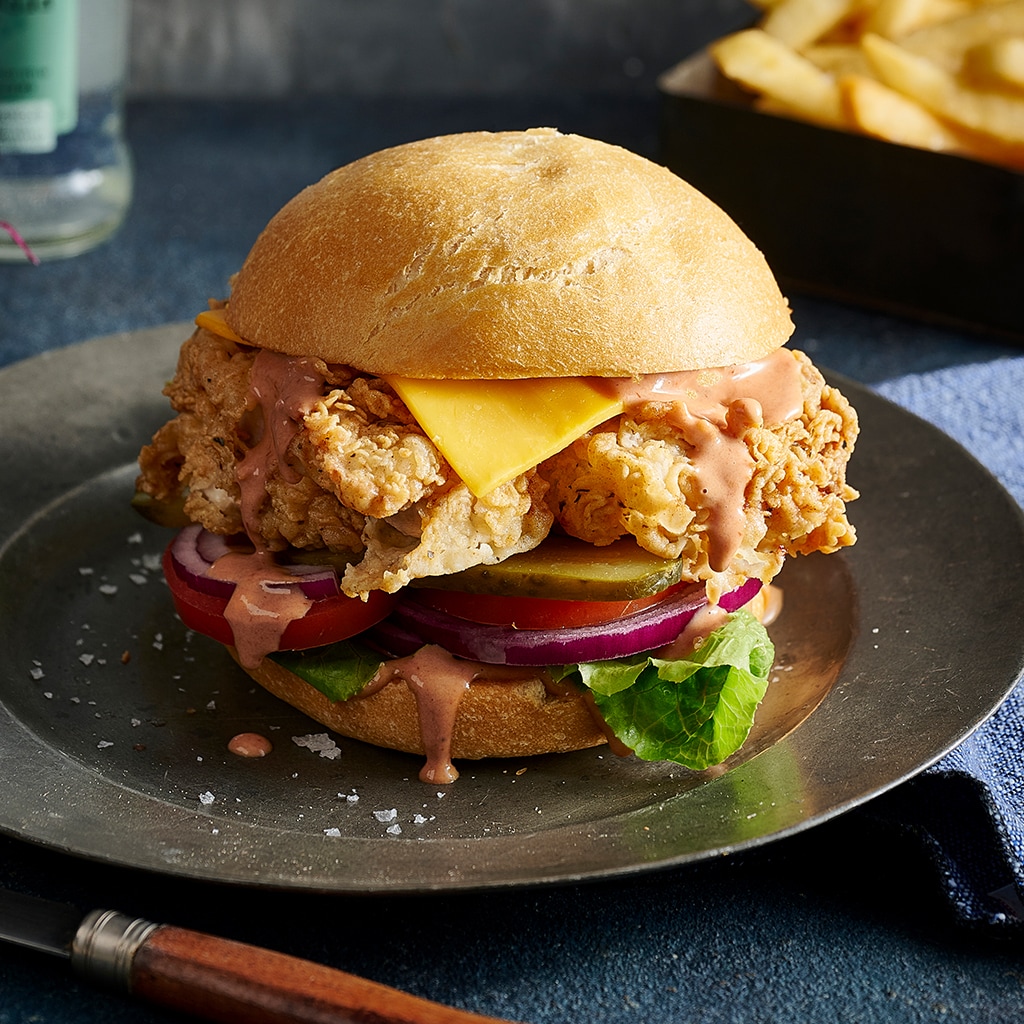
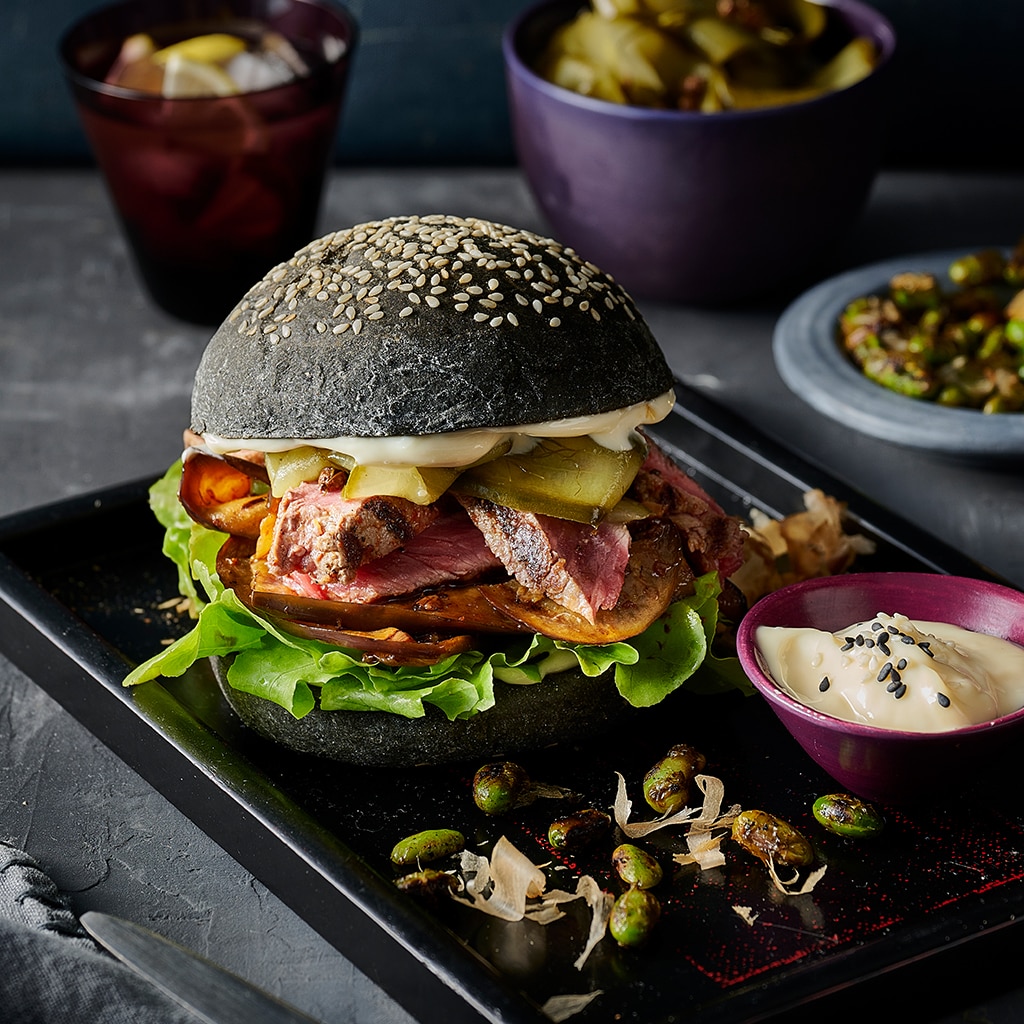
1. Burgers & sliders: reliable and revenue-friendly
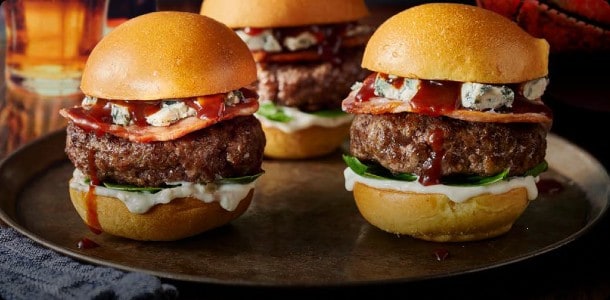
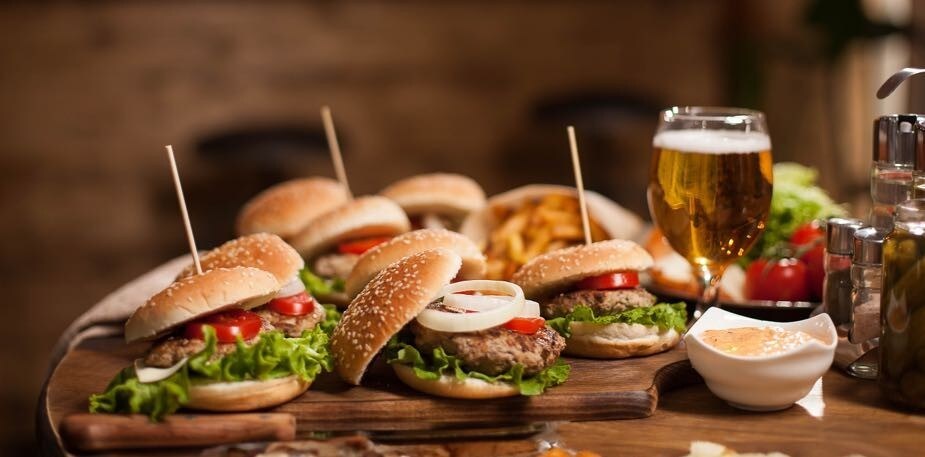
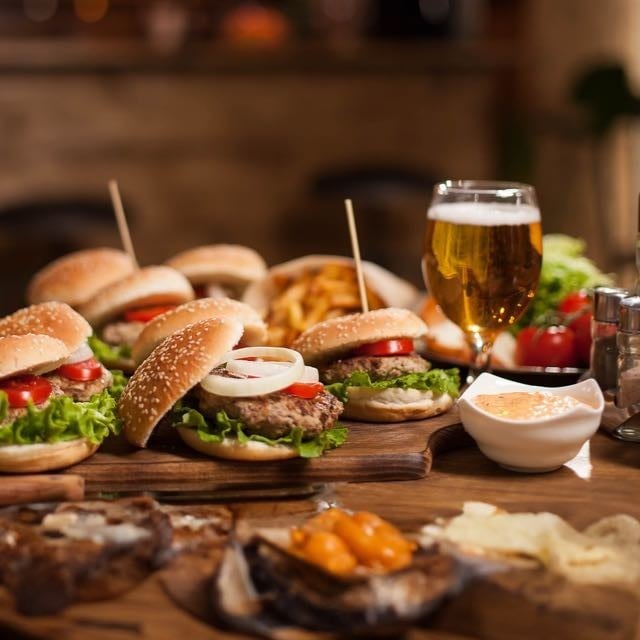
Burgers remain the backbone of the best game-day menus. They use familiar proteins, share buns and sauces with other dishes, and can be prepped in advance. Sliders encourage sharing and increase average spend while keeping portion costs under control.
Winning move: One core patty with three flavour builds keeps prep simple and variety high.
2. Loaded chips & wedges: low cost, high margins
Few dishes deliver more bang for your buck. A potato base topped with cheese, sauces and simple proteins that is quick to assemble and hard to resist. Most venues already carry the ingredients, making this a low-risk, high-return option.
Winning move: Offer a “hero” loaded option and a vegetarian version.
3. Nachos: fast and fan-approved
Nachos are the ultimate modular dish. The same base can support multiple variations, allowing kitchens to meet different tastes without expanding inventory. They’re ideal for groups and encourage add-ons like guacamole and extra protein.
Winning move: Pre-portion chips and cheese to speed up assembly.
4. Wings & boneless bites: finger food that flies high
Wings are synonymous with sport for a reason. They’re snackable, beer-friendly and easy to batch cook. Boneless versions suit venues focused on speed and cleanliness, while sauces create variety without complexity.
Winning move: Limit to two signature sauces for consistency and simplicity.
5. Wraps, rolls & handhelds: speed and versatility
Wraps and rolls sit neatly between burgers and lighter fare. Using fillings that overlap with other menu items keeps stock lean, while the format suits fans who want something handheld but not heavy.
Winning move: Pre-build during peak periods and finish to order.
6. Grazing boards & snack platters: one plate; zero fuss
Snack platters can combine your best-sellers like wings, wedges, bites and dips into one easy order. They simplify decision-making for groups and help you move multiple items at once.
Winning move: Carefully standardise portions to protect your margins.
Shared ingredients = shared success
A successful game-day menu works for you, not against you. Build around a small set of core proteins, breads, sauces and garnishes, then use those components across multiple dishes. This reduces stock complexity, limits waste, simplifies training and improves speed. Fewer ingredients, used more often, create stronger margins and more consistent execution.
Meeting modern expectations
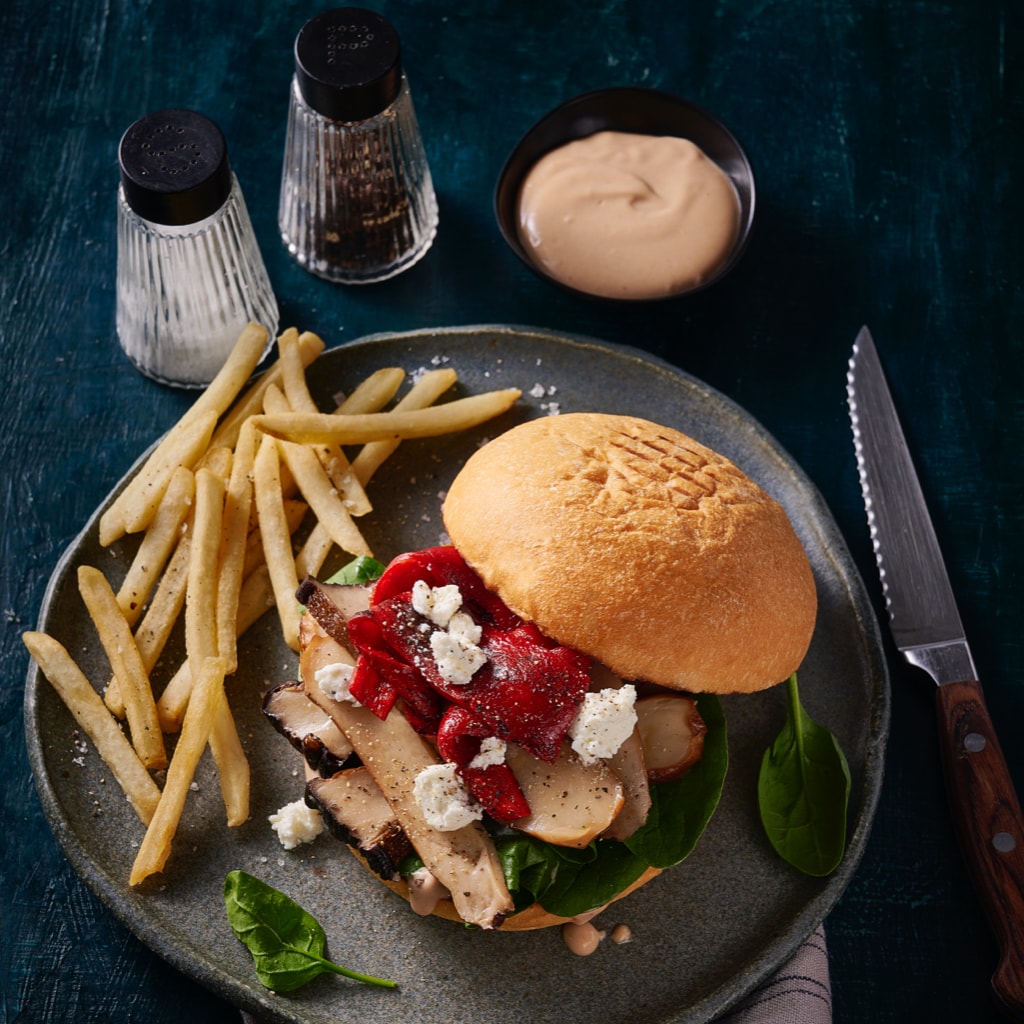
Today’s footy fans expect thoughtful choice. A contemporary game-day menu should include at least one plant-based option, a gluten-free-friendly alternative where possible, and a lighter dish alongside heartier fare. This isn’t about expanding the menu; it’s about widening the welcome. When everyone at the table can find something, groups stay longer and spend more.
Is your venue footy-fit?
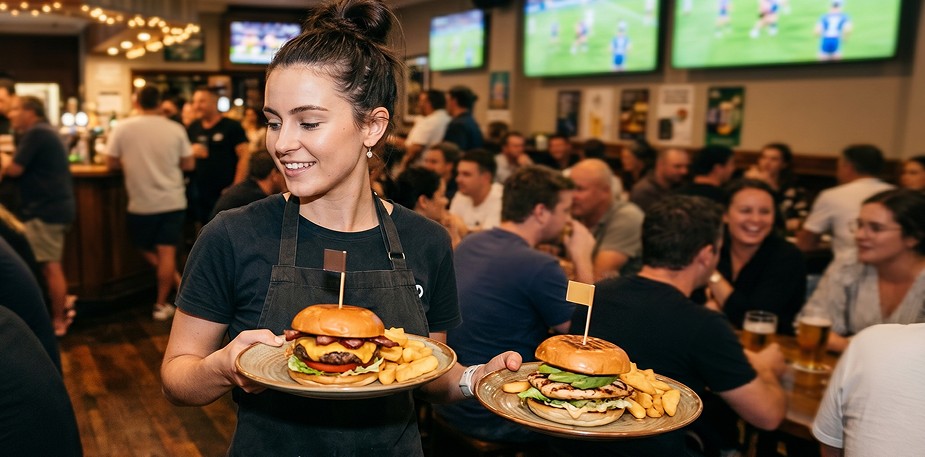
The best bars, clubs and pubs don’t just show the game; they promote fixtures, theme menus, prepare staff for peaks and build the anticipation. A dedicated game-day menu is a visible signal that says “we’re ready” and tells fans you’ve considered their experience from the first pint to the final siren.
With another footy season around the corner, now is the perfect time to make the move to a game-day menu!