
Fine dining night
Turn dinner into an occasion with a fine dining event your residents will remember.
There is something wonderful about a proper night out. The starched white linen, a printed menu placed just so, a waiter who takes your order. For many of your residents, memories of dining out at a favourite restaurant are treasured.
A Fine Dining Night brings that sense of occasion to your residents. Unlike an everyday service, this event is all about ceremony: dressing the room, dressing the plate, and treating residents as the honoured guests they are. It is a beautiful way to mark a milestone birthday, an anniversary, Mother's or Father's Day, or simply to break up the calendar with something special.
Here is how to bring the magic of fine dining to your aged care home.
Set the mood
Fine dining is as much about atmosphere as it is about food. Dim the overhead lighting where safe to do so, and add table lamps, battery-operated tea lights or softly glowing e-candles in the centre of the tables.
A quiet soundtrack is essential. Think Ella Fitzgerald, Frank Sinatra, Nat King Cole, Dean Martin or a light classical or jazz piano playlist, anything that hums along in the background without competing with conversation. Spotify, YouTube and ABC Classic all have ready-made playlists you can stream.
If you have a resident, staff member or local music student who plays piano or violin, invite them to perform a short set as guests arrive. Live music instantly lifts an ordinary evening into something memorable.
Dress the room
Fine dining is in the details. A few small touches make an enormous difference:
- White or crisp cream tablecloths, with a linen napkin folded on each place setting
- A small posy of fresh flowers or a single stem in a bud vase for every table
- Polished cutlery laid in the correct order with the dessert spoon and fork above the plate
- Wine or water glasses at every setting (even if they are filled with sparkling grape juice or a mocktail)
- A printed menu at each place, or one shared between two, so guests can read what is coming
In the days leading up to the event, encourage residents to dress for the occasion. A brooch, a favourite scarf, a jacket and tie. The act of getting ready is part of the fun and helps build anticipation.
Restaurant-style service
The single biggest difference between a normal meal and a fine dining event is the service. Brief your kitchen and dining assistants beforehand so they can slip into the role of front-of-house team for the night.
A few small changes go a long way:
- Greet each resident at the door and escort them to their seat
- Take orders at the table rather than plating in advance where possible
- Announce each course as it arrives ("For your entrée this evening…")
- Serve from the left, clear from the right, and never rush the pace between courses
- Offer a drinks trolley with mocktails, sparkling water, non-alcoholic wine or a small glass of sherry for those who can enjoy one
Consider a printed name card at each place and a short welcome from the chef or lifestyle coordinator before the first course is served.
A three-course menu
Fine dining is all about smaller portions, considered plating and a sense of progression. Keep serves modest so residents can enjoy each course without becoming overwhelmed. Check every dish against your residents' IDDSI, texture and dietary requirements before finalising the menu.
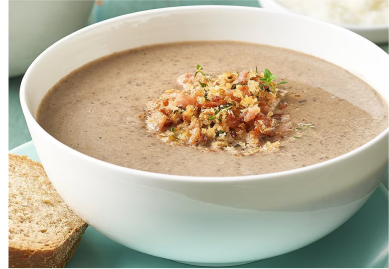
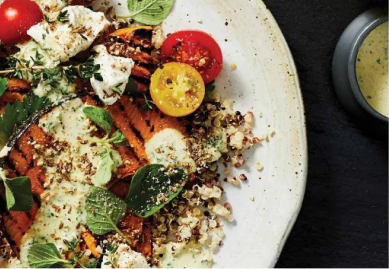
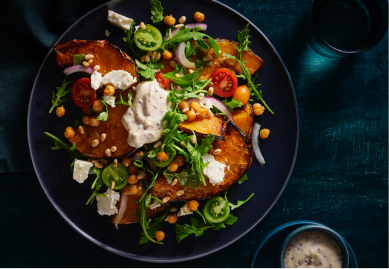
Entrée
Something light, warm and elegant to open the meal.
Main
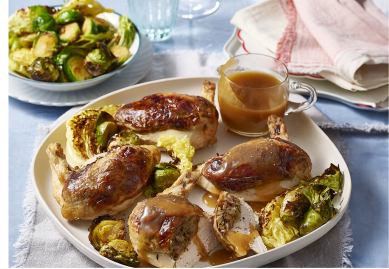
A generous but refined dish, plated with a sauce and a considered garnish.
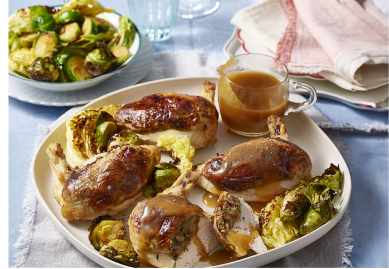
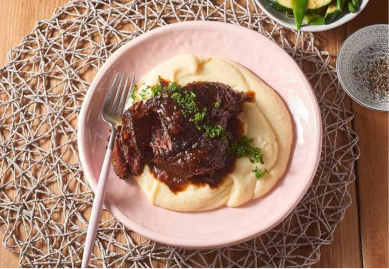
Dessert
Finish with a classic, the sort of dessert a resident might have chosen from a restaurant trolley decades ago.
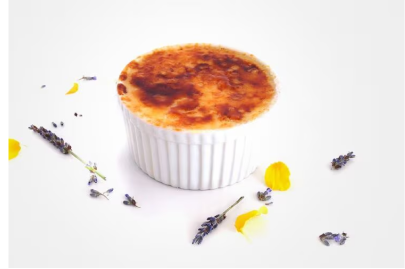
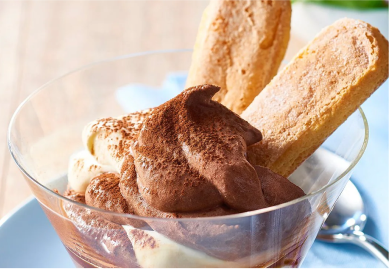

Round the evening off with a small pot of tea or a proper coffee and a plate of petit fours: a square of good chocolate, a shortbread finger, a candied orange peel.
Why it matters
Special events lift the dining room out of routine and give residents something to look forward to, dress up for and talk about long after the plates are cleared. A Fine Dining Night restores a real sense of dignity and ceremony to a meal and reminds residents they are still very much guests of honour.
Read more about the importance of social events here.

Disclaimer: The content of this article is created for inspiration purposes only. It is not intended as clinical, medical or nutritional advice.